
Halloween Hazards: Keeping Your Raw-Fed Dog and Cat Safe From Toxic Food and Treats
Halloween should be full of treats, not trips to the vet. Discover which seasonal foods are dangerous for dogs and cats, what to do if your pet eats something they shouldn't, and how to celebrate safely.
Halloween brings plenty of things to love. Cosy autumn evenings, glowing pumpkins, excited trick-or-treaters and, of course, lots of sweet treats.
But while we're enjoying the festivities, our four-legged family members may be surrounded by some unexpected dangers.
From chocolate and sweets to seasonal leftovers, certain foods we enjoy can be harmful, or even toxic, to dogs and cats.
And if you're already making thoughtful choices about your pet's nutrition, you probably want to make sure those good habits continue through Halloween, too.
The good news? Keeping your dog or cat safe doesn't mean leaving them out of the fun.
With a little preparation and the right treats, everyone can enjoy a happy, healthy Halloween.
What Halloween Foods Are Toxic to Dogs and Cats?
Chocolate, some sugar-free sweets, onions, garlic and certain other everyday foods can be dangerous for pets. Grapes and raisins are particularly hazardous to dogs. Sweet wrappers and decorations can also cause serious problems if swallowed.
Here are the Halloween hazards every pet parent should know about.
1. Chocolate: A Halloween Treat That's Never Worth Sharing
Chocolate might be irresistible to us, but it's one treat your dog or cat should never have.
Chocolate contains theobromine and caffeine, substances that pets cannot process as efficiently as humans.
Dogs are particularly at risk because they're more likely to help themselves to chocolate left within reach. Chocolate is also toxic to cats.
The darker the chocolate, the greater the potential danger. Cocoa powder and dark chocolate contain particularly high concentrations of theobromine.
Signs of chocolate poisoning can include:
- Vomiting or diarrhoea
- Restlessness or unusual excitement
- Rapid breathing or an increased heart rate
- Tremors or seizures in severe cases
Our safety tip: Keep chocolate bowls, trick-or-treat bags and Halloween baking safely out of reach. Remind little ones that sharing their chocolate with furry friends isn't an act of kindness, however persuasive those puppy-dog eyes might be.
If your pet eats chocolate, contact your vet immediately rather than waiting for symptoms.
2. Sugar-Free Sweets: Small Treats, Serious Risks
Some sugar-free sweets and chewing gums contain xylitol, also known as birch sugar.
This sweetener is extremely dangerous to dogs, potentially causing a rapid drop in blood sugar and serious liver damage.
It can act quickly, which makes immediate veterinary attention essential.
Cats are less susceptible to xylitol's known toxic effects, but sweets are still unsuitable for them and may contain other harmful ingredients.
Our safety tip: Always check ingredient labels and keep sweets, chewing gum and their wrappers securely stored.
If you suspect your dog has eaten xylitol, call your vet immediately, even if they seem perfectly well.
3. Raisins and Grapes: A Hidden Danger in Autumn Treats
Autumn baking often features raisins, sultanas, currants and other dried fruits.
While these ingredients might seem harmless, grapes and their dried forms can cause severe kidney damage in dogs.
The particularly worrying part? There's no reliably safe amount for dogs.
Some dogs become seriously ill after eating very small quantities.
You'll find these ingredients in foods such as fruit cakes, biscuits and seasonal baked goods.
Our safety tip: Never offer dogs foods containing grapes, raisins, sultanas or currants. If your dog eats any, seek urgent veterinary advice.
4. Onions, Garlic and Savoury Party Food
Not every Halloween hazard comes wrapped in something sweet.
Party snacks, sausage rolls, gravies, stuffing and leftover dinners can contain onions, garlic, leeks or chives.
These ingredients are toxic to both dogs and cats and can damage their red blood cells, potentially leading to anaemia.
Cooking, drying or powdering them doesn't remove the risk.
Our safety tip: Avoid feeding pets seasoned leftovers, and ask guests not to slip food from their plates to your dog or cat.
For a special Halloween meal, stick to food specifically formulated for your pet.
5. Pumpkin: Can Dogs and Cats Eat It?
Here's some happier Halloween news!
Plain, cooked pumpkin can be a suitable occasional treat for many dogs and cats when served in small quantities.
However, not every pumpkin product is pet-friendly.
Avoid:
- Pumpkin pie fillings containing sugar or spices
- Pumpkin dishes prepared with butter, onion or garlic
- Mouldy or decaying carved pumpkins
- Large pieces of tough pumpkin that could cause choking or digestive problems
Cats don't need pumpkin added to a complete, balanced diet, so there's no need to encourage them to eat it.
Our safety tip: If you'd like to share a little pumpkin with your pet, offer a small amount of plain, cooked pumpkin without any added ingredients. Introduce unfamiliar foods gradually.
Don't Forget the Hidden Halloween Hazards
Food isn't the only thing worth keeping an eye on.
Halloween decorations and celebrations can present additional risks, especially for curious pets.
Sweet wrappers: Dogs and cats may accidentally swallow plastic or foil packaging, creating a choking risk or intestinal blockage.
Candles and carved pumpkins: Curious noses and wagging tails don't mix well with open flames. Battery-operated candles are a safer alternative.
Dangling decorations: Strings, ribbons and hanging ornaments may look like exciting toys, particularly to cats, but can cause serious injury if swallowed.
Doorbells and unfamiliar visitors: Repeated knocking, loud noises and unusual costumes can make some pets feel anxious.
Consider creating a quiet, comfortable space away from the front door, complete with familiar bedding, fresh water and favourite toys.
For many pets, a peaceful evening indoors is much more enjoyable than joining a noisy Halloween party.
What Should You Do If Your Pet Eats Something Toxic?
Even with the best precautions, accidents can happen.
If you suspect your dog or cat has eaten something poisonous, contact your vet or an emergency veterinary service immediately.
Don't wait for symptoms to appear.
Your vet may ask:
- What your pet has eaten
- Approximately how much was consumed
- When it happened
- Your pet's weight
- Whether they're showing any unusual symptoms
Keep the food packaging if possible, as it may help identify ingredients.
Important: Never try to make your pet vomit or give home remedies unless specifically instructed by a veterinary professional.
Quick action can make an important difference.
A Healthier Way to Treat Your Pet This Halloween
Halloween doesn't have to mean missing out on treats.
In fact, it's a lovely opportunity to celebrate your dog or cat with something they'll genuinely enjoy, without sharing human sweets or rich party food.
If you prefer natural, high-quality nutrition, there are plenty of simple ways to make the occasion feel special.
For Dogs: Make Treat Time Part of the Fun
Try turning a quiet Halloween evening into a little enrichment session.
Hide a few appropriate dog treats around the room for a sniff-and-find game, practise favourite tricks with small rewards, or offer a food-filled enrichment toy using part of your dog's normal meal.
These activities can provide mental stimulation while keeping your dog entertained away from Halloween sweets.
Choose treats specifically made for dogs and keep portions sensible.
For Cats: Keep It Simple, Calm and Delicious
Cats generally don't need elaborate celebrations.
A peaceful environment, familiar routines and a tasty, species-appropriate meal are often much more appealing than costumes or noisy activities.
Try a gentle play session with a wand toy, followed by your cat's usual dinner.
It's a simple way to make the evening enjoyable without introducing unnecessary food risks.
Why Your Pet's Everyday Nutrition Still Matters
Halloween may be just one evening, but good nutrition is something we can focus on every day.
For pet parents who care about what goes into their dog or cat's bowl, choosing appropriate, high-quality ingredients can be an important part of maintaining a consistent feeding routine.
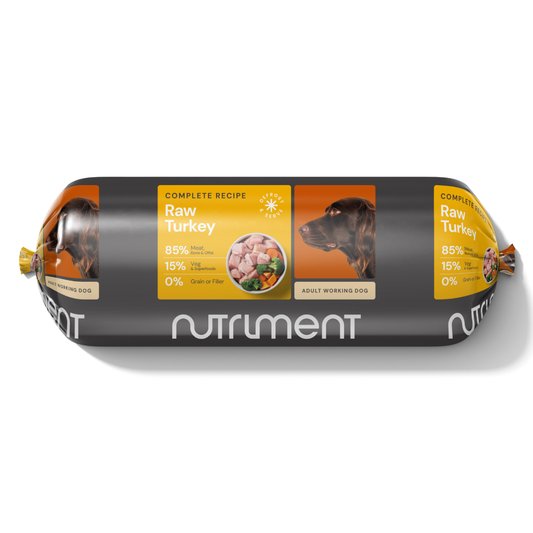
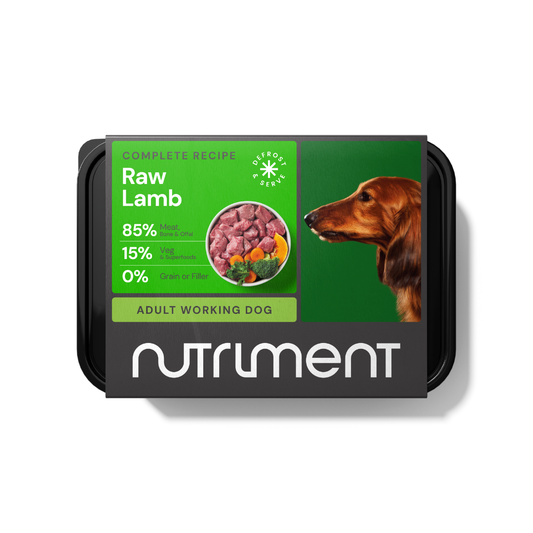
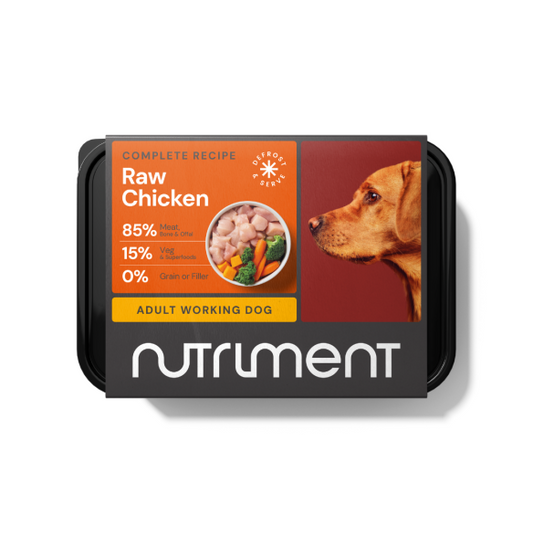
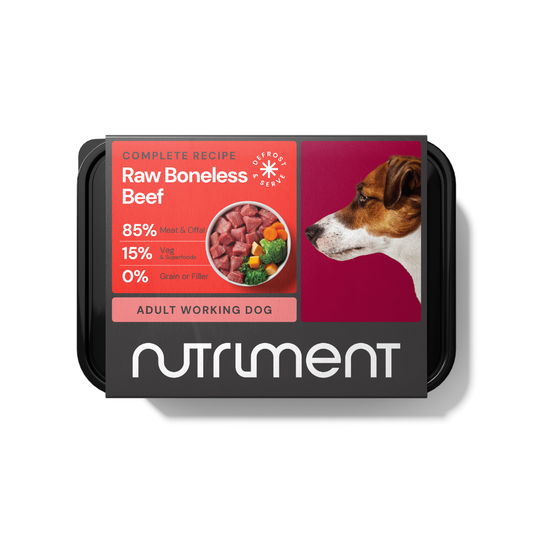
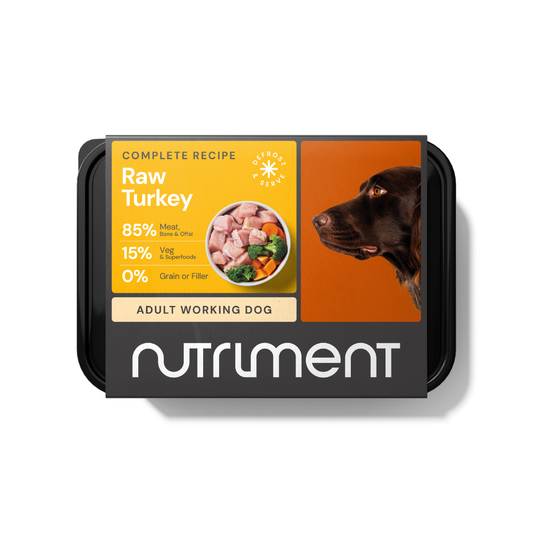
At Nutriment, we're passionate about natural, species-appropriate nutrition for dogs and cats.
Our raw food ranges are designed to make feeding thoughtfully selected ingredients straightforward, helping pet parents feel confident about what they're serving.
Whether your companion is a food-loving dog or a particularly discerning cat, the right food should suit their individual nutritional needs.
When choosing raw food, always select a suitable complete recipe where it's intended to be your pet's main diet, follow the recommended feeding guidelines and handle raw ingredients hygienically.
There's no need to change your pet's entire diet for Halloween. In fact, keeping their normal feeding routine is often the simplest approach.
Because the best treat you can give your pet is thoughtful care, not just at Halloween, but all year round.
Make This Halloween a Treat, Not a Fright
Our dogs and cats are family, and naturally, we want them to enjoy the special moments with us.
But while Halloween chocolates, sweets and seasonal snacks might be tempting, keeping human treats away from curious paws is one of the simplest ways to protect them.
Choose appropriate pet-friendly rewards, keep their usual feeding routine and give them a safe, comfortable space to enjoy the evening.
And if you're looking to make thoughtful nutrition part of your pet's everyday routine, explore our natural raw food range.
A happy Halloween starts with a healthy, happy pet.
Your Halloween Pet Safety Checklist
Before the trick-or-treaters arrive, take a moment to check that your home is ready.
- Keep chocolate, sweets and chewing gum securely out of reach.
- Store grapes, raisins and autumn baked goods safely.
- Avoid sharing seasoned party food or leftovers.
- Clear away sweet wrappers and small decorations.
- Use battery-operated candles instead of open flames.
- Prepare a quiet, comfortable space for your pet.
- Keep your vet's emergency contact details handy.
- Have appropriate dog or cat treats available instead.
A little preparation goes a long way towards keeping Halloween fun for everyone.
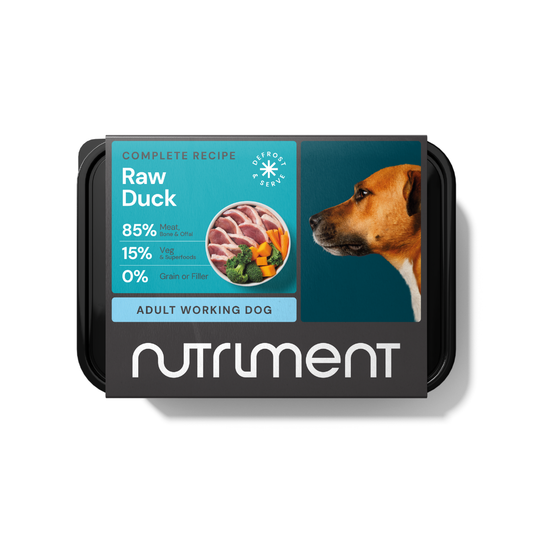
Explore Nutriment food
Frequently Asked Questions
Can dogs eat Halloween sweets?
No. Halloween sweets aren't suitable for dogs. Chocolate and sweets containing xylitol can be particularly dangerous, while other sugary or fatty treats may cause digestive problems.
Is chocolate poisonous to cats?
Yes. Chocolate contains theobromine and caffeine, both of which are toxic to cats. If your cat eats chocolate, contact your vet immediately.
Is pumpkin safe for dogs and cats?
Small amounts of plain, cooked pumpkin can be suitable for many dogs and cats. Avoid seasoned pumpkin, sweetened fillings and mouldy decorations. Pets with medical or dietary needs may require veterinary guidance.
What are safe Halloween treats for raw-fed dogs?
Suitable dog-specific treats or small portions of their usual food can be sensible options. Make sure treats are appropriate for your dog's age, size and dietary needs, and account for them within their daily food intake.
Can I give my raw-fed cat Halloween treats?
Yes, provided the treats are specifically suitable for cats and served in moderation. Your cat may be happiest enjoying their normal complete meal and a little extra playtime.
What should I do if my dog eats chocolate or raisins?
Contact your vet immediately, even if your dog appears well. Provide details of what was eaten, how much and when. Do not induce vomiting unless your vet instructs you to.