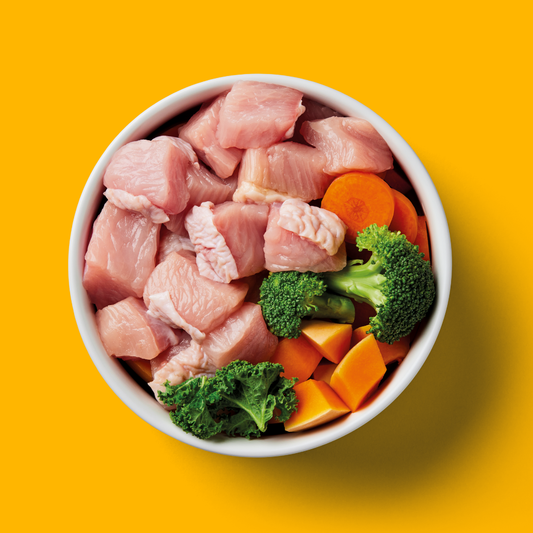

Pet Obesity Awareness Day: Could What’s in Your Dog’s Bowl Help Keep Them Lean?
For most of us, food is one of the ways we show our dogs how much we love them.
An extra treat after a walk. A little something from our plate. A slightly fuller bowl because they still look hungry.
Those tiny moments can feel harmless — and loving. But over time, consistently taking in more energy than a dog needs can contribute to weight gain.
And maintaining a healthy weight isn't simply about how your dog looks.
It's about helping protect the joints that carry them on their favourite walks, supporting their mobility as they get older and giving them the best possible chance of enjoying a long, active life by your side.
This Pet Obesity Awareness Day, we're looking at what the science tells us about canine weight — including interesting new research into raw feeding and body condition in dogs.
Dog obesity is about health, not appearance
A few extra pounds can be surprisingly easy to overlook, particularly when weight creeps on gradually.
But excess body fat isn't simply passive weight.
Obesity is associated with chronic low-grade inflammation and a range of health consequences, and research has linked excess weight in dogs with conditions including osteoarthritis, insulin resistance and other metabolic and health problems.
Research into overweight and obesity in companion animals also identifies associations with cardiovascular and respiratory disease, alongside musculoskeletal problems and reduced quality of life.
That's why healthy weight management isn't about creating a "skinny" dog.
It's about helping your dog stay lean, strong, mobile and healthy.
Excess weight and your dog's joints
Think about everything your dog's joints do in a normal day: climbing stairs, jumping into the car, chasing a ball, running through the park and simply getting up from their bed.
Extra weight means additional mechanical loading on those joints.
Obesity has been associated with osteoarthritis in dogs, while research also suggests that weight reduction can improve mobility in overweight dogs affected by osteoarthritis.
Maintaining an appropriate body condition throughout life can therefore be one important part of supporting long-term joint health.
Obesity, inflammation and cardiovascular health
Body fat is biologically active tissue.
Excess adipose tissue can contribute to metabolic changes and chronic inflammation throughout the body. Research into companion-animal obesity has associated being overweight or obese with a range of conditions, including cardiovascular and pulmonary dysfunction.
This doesn't mean that every overweight dog will develop heart disease — or that obesity alone causes every condition associated with it.
It does mean that maintaining a healthy body condition is an important part of supporting your dog's overall health.
A healthy weight may support a longer, happier life
Perhaps one of the most compelling reasons to pay attention to weight is simply this:
We all want more healthy years with our dogs.
Research has associated overweight and obesity with a shorter lifespan in dogs.
So keeping your dog at an appropriate weight isn't about chasing a number on the scales. It's about protecting the things that matter: comfortable walks, enthusiastic play, easier movement and more adventures together.
What does new research tell us about raw feeding and dog obesity?
A 2026 study published in BMC Veterinary Research investigated body condition and nutrition in 104 healthy dogs.
Researchers compared:
- 51 dogs fed a raw meat-based diet
- 53 dogs fed a commercial complete diet
All dogs had been eating their respective type of diet for at least 12 months.
One of the most interesting findings was the difference in Body Condition Score (BCS).
Dogs eating raw meat-based diets had a median BCS of 5, compared with 6 among dogs eating commercial complete diets.
In other words, the raw-fed dogs in this particular study tended to have a leaner body condition.
The researchers also found differences in estimated energy intake. Raw-fed dogs received a median of approximately 89% of recommended metabolizable energy, compared with approximately 102% among the commercial-diet group.
Across the dogs studied, energy intake was associated with body condition.
But there's an important caveat
This research is interesting, but it shouldn't be interpreted as:
"Feed raw and your dog won't become overweight."
The study was observational rather than a controlled feeding trial, so it shows an association, not proof that raw feeding itself caused the dogs to be leaner.
There were lifestyle differences between the groups, too. More raw-fed dogs participated in regular sporting activities, for example.
And there was another important finding.
The researchers identified potential nutritional imbalances within some of the raw diets assessed, including differences involving calcium-to-phosphorus ratios and several minerals.
Their conclusion was therefore balanced: raw feeding might offer an advantage in terms of leaner body condition, but nutritional balance remains extremely important.
And that's a crucial distinction.
Raw doesn't automatically mean balanced
There's an enormous difference between simply feeding raw ingredients and feeding a carefully formulated complete raw diet.
Meat alone doesn't necessarily provide everything your dog needs.
Dogs require the right balance of protein, fat, vitamins, minerals and other nutrients — and those requirements change depending on factors such as their age, size, activity level and life stage.
That's why, if you choose raw feeding, nutritional completeness matters just as much as ingredient quality.
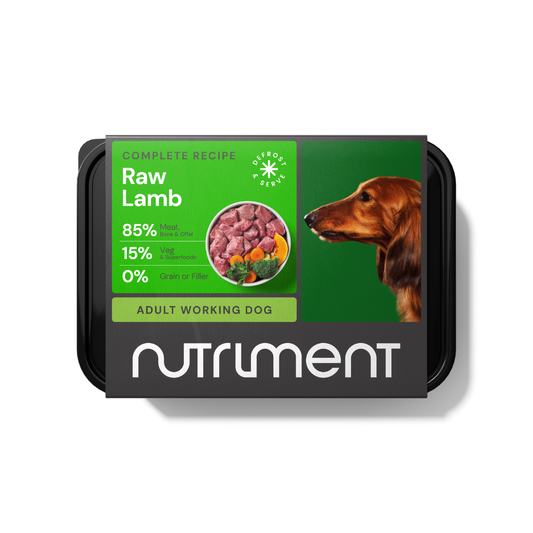
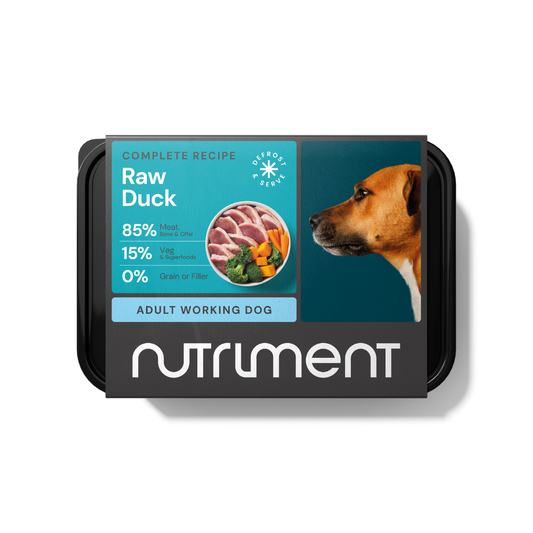
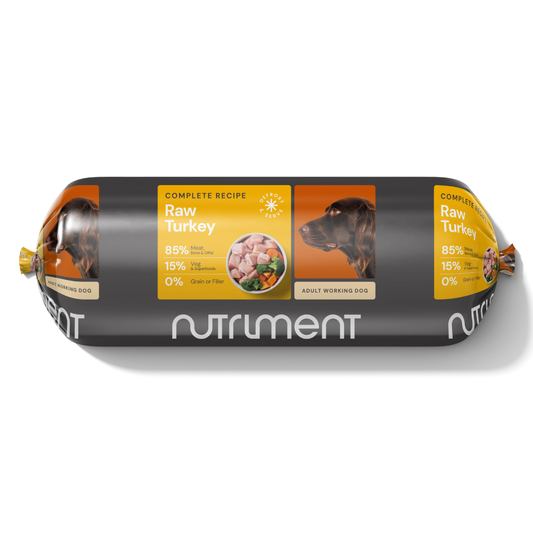
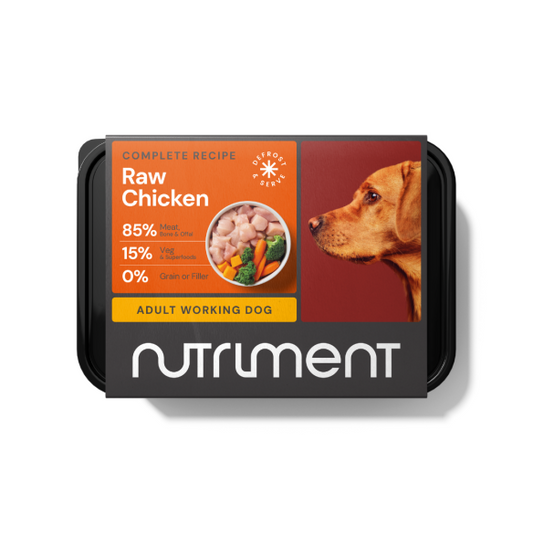
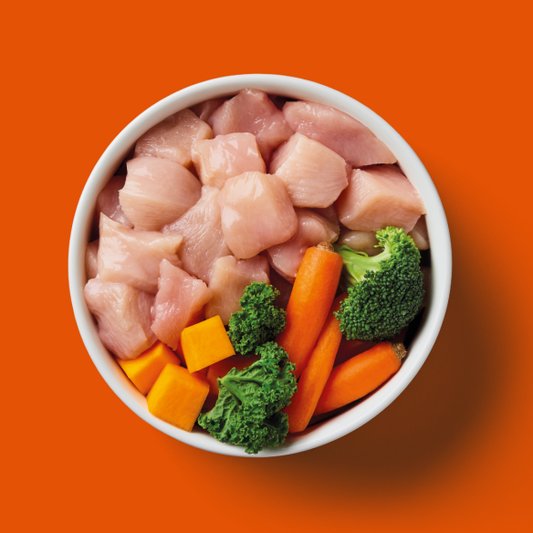
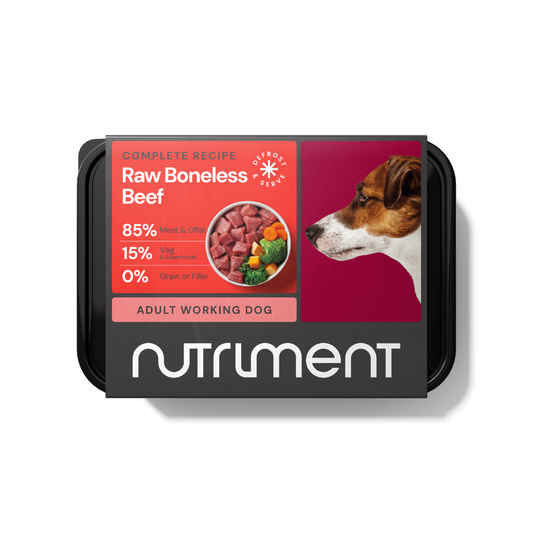
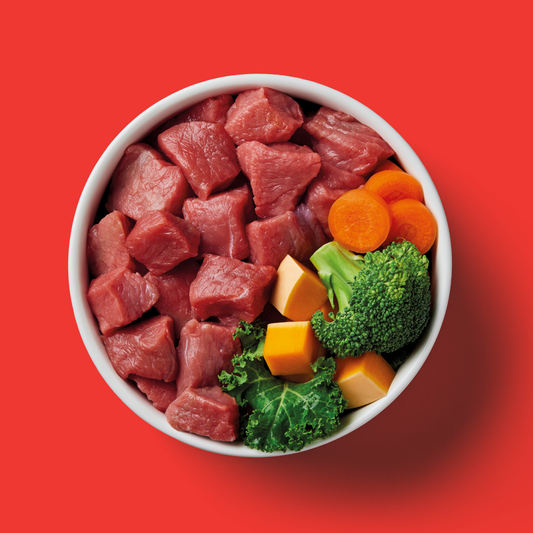
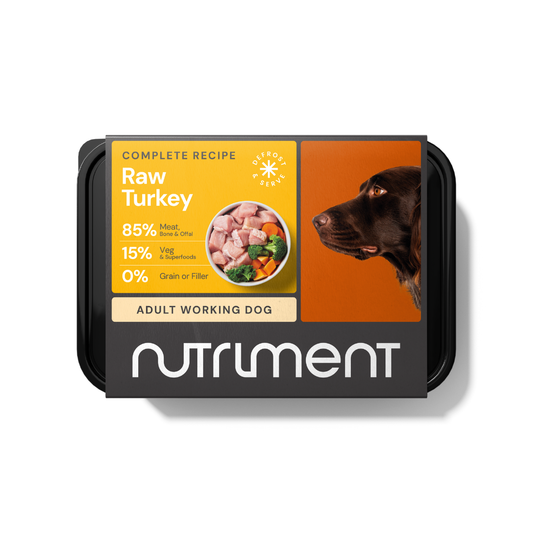
At Nutriment, our approach to raw feeding is built around carefully formulated recipes designed to make feeding natural, high-quality nutrition straightforward.
You get the convenience of a prepared meal while knowing that nutritional balance has been considered for you.
Is your dog actually overweight?
Here's where things become particularly interesting.
In the 2026 study, owners of dogs eating commercial diets tended to assess their dogs as leaner than veterinarians did.
It's an understandable phenomenon.
When you see your dog every day, gradual changes in their shape can be incredibly difficult to notice.
Instead of relying on weight alone, vets commonly use a Body Condition Score (BCS) to assess whether a dog is underweight, ideal or overweight.
Try the quick body-condition check
Take a moment today and look at your dog.
-
Feel their ribs.
You should generally be able to feel the ribs without pressing through a thick layer of fat.
-
Look from above.
There should usually be a visible waist behind the ribs.
-
Look from the side.
The abdomen should typically tuck upwards rather than hanging level with or below the ribcage.
Every dog is different, particularly across breeds and body shapes, so if you're uncertain about your dog's ideal condition, ask your vet or veterinary nurse to assess them.
A professional body-condition assessment can be far more useful than simply comparing the number on the scales.
5 everyday habits that can help your dog maintain a healthy weight
The good news is that healthy weight management doesn't need to mean dramatically changing your dog's life.
Small, consistent habits can make a meaningful difference.
1. Feed the dog in front of you
Feeding guidelines are useful starting points, not an exact prescription for every individual dog.
Age, breed, neuter status, metabolism and activity levels can all affect energy requirements.
Monitor your dog's body condition and adjust portions when necessary, ideally with guidance from your vet if your dog needs to lose significant weight.
2. Measure meals rather than guessing
It's remarkably easy for portions to grow when food is served by eye.
Weighing your dog's meals gives you much better control over their daily intake — and takes only a few seconds.
3. Remember that treats count too
Treats aren't the enemy.
They're brilliant for training, enrichment and, frankly, making dogs very happy.
But they still contribute to daily energy intake.
Choose appropriately sized treats, break larger treats into smaller pieces for training and consider reducing meal portions slightly on particularly treat-heavy days.
4. Keep them moving
Movement supports much more than weight management.
Regular, appropriate exercise helps maintain muscle, supports mobility and provides valuable mental stimulation.
The right amount will depend on your dog's age, breed, health and fitness, so build an exercise routine that works for your dog rather than comparing them with somebody else's.
5. Focus on nutritional quality and balance
Healthy weight management isn't simply about putting less food into the bowl.
What goes into the bowl matters too.
Look for a diet that provides appropriate nutrition while making portions straightforward to control.
If you choose raw feeding, opt for complete recipes that have been carefully formulated, rather than assuming that a collection of raw ingredients will automatically provide balanced nutrition.
The goal isn't less food. It's the right nutrition.
Nobody wants their dog staring mournfully at an empty bowl.
And healthy weight management shouldn't be about deprivation.
The better goal is to understand what your individual dog needs and provide appropriate portions of nutritionally balanced food, alongside exercise, enrichment and sensible treats.
The latest research into raw-fed dogs is encouraging, particularly its findings around leaner body condition.
But it also reinforces something we strongly believe at Nutriment:
Natural nutrition should still be carefully formulated nutrition.
Because feeding well isn't simply about what's missing from the bowl.
It's about making sure everything your dog needs is there.
A healthier weight means more of what they love
More comfortable walks.
More games in the garden.
More jumping into the car when they realise you're heading somewhere exciting.
More years of doing the things that make them them.
Pet Obesity Awareness Day is a useful reminder to look beyond the number on the scales and think about your dog's body condition, nutrition and lifestyle as a whole.
If you're unsure whether your dog is carrying excess weight, speak with your vet or veterinary nurse before making significant dietary changes.
And if you're looking for a natural way to feed, choose nutrition that combines high-quality ingredients with carefully considered nutritional balance.
Explore Nutriment food
-
-
-
-
Sold outRegular price £3.79Regular price£7.58 / kg Unit price / perSale price £3.79Sold out
Frequently Asked Questions
How can I tell if my dog is overweight?
A Body Condition Score can be more useful than weight alone. At an ideal condition, you should generally be able to feel your dog's ribs without a heavy covering of fat, see a waist when looking from above and notice an abdominal tuck from the side. Your vet or veterinary nurse can provide an individual assessment.
Can obesity cause arthritis in dogs?
Obesity is associated with osteoarthritis in dogs. Excess body weight increases mechanical loading on joints, while obesity-related inflammation may also contribute. Maintaining an optimal body condition can therefore form an important part of protecting joint health.
Can being overweight affect a dog's heart?
Research associates obesity in companion animals with cardiovascular dysfunction as well as wider metabolic and inflammatory changes. Obesity does not mean a dog will necessarily develop cardiovascular disease, but maintaining a healthy weight supports overall health.
Does raw dog food help with weight management?
A 2026 observational study found that dogs eating raw meat-based diets had lower Body Condition Scores than dogs eating commercial complete diets. However, the research does not prove that raw feeding causes weight loss or prevents obesity. Appropriate calorie intake, activity, portion control and nutritional balance all matter.
Is all raw dog food nutritionally complete?
No. Homemade or improperly formulated raw diets can have nutritional imbalances. If feeding raw, choose an appropriately formulated complete diet suitable for your dog's life stage and individual needs.