


Seasonal Allergies in Pets: What to Look Out For

Seasonal Allergies in Pets: What to Look Out For

Back to blog

Longer walks, better weather, more time outdoors - Spring is the best time of the year to own a dog. But for some dogs — and their owners — it also marks the start of something less enjoyable: seasonal allergies.

Itching, scratching, runny eyes, and inflamed skin can all appear or worsen at this time of year, and they're easy to misread or dismiss. This guide covers how to recognise seasonal allergies in your dog, what's usually driving them, and what you can actually do to help.

Is It Really an Allergy?

The word "allergy" gets used loosely — but what's actually happening is a disproportionate immune response. Your dog's immune system encounters something it perceives as a threat (pollen, mould spores, grass), mounts a defence, and the resulting inflammation is what causes the symptoms you see.

Seasonal allergies specifically are triggered by environmental allergens that fluctuate with the time of year. They're different from year-round food allergies or flea allergies — though all three can overlap, which is one reason they can be difficult to unpick.

Signs Your Dog May Have Seasonal Allergies

The signs aren't always obvious, and they don't always look like what most owners expect. Sneezing is the one most people anticipate — but dogs rarely respond to allergens the way humans do. The reaction tends to show up in the skin first.

What to look out for:

Itching and scratching

Particularly around the face, ears, groin, armpits, and paws. These areas have thinner skin and more direct allergen exposure from ground-level contact.

Paw licking or chewing

One of the most reliable indicators of seasonal allergy in dogs. When paws are in contact with grass and pollen all day, the skin reacts locally.

Recurrent ear problems

Inflammation in the ear canal is closely linked to environmental allergens. If your dog is shaking their head, scratching at their ears, or has ears that smell or look red inside, this is worth taking seriously.

Watery or red eyes

A runny discharge or persistent squinting, particularly in spring and summer, can be a direct response to airborne pollen.

Skin redness and hot spots

Red, inflamed patches anywhere on the body, sometimes progressing to sore, broken skin from repeated scratching.

Worsening in spring and summer

The single clearest pattern. If symptoms appear or intensify between March and August and ease off in autumn, environmental allergens are the most likely explanation.
What Causes Seasonal Allergies in Dogs?

The most common environmental triggers are:

  • Tree pollen — peaks in late winter through spring (birch, oak, ash)
  • Grass pollen — peaks in early to midsummer; a major trigger for many dogs
  • Weed pollen — peaks in late summer into autumn
  • Mould and fungal spores — prevalent in damp conditions, autumn leaf litter, and after rain
  • Dust mites — technically year-round, but often worsen in spring when houses are opened up after winter

Dogs don't need to inhale these allergens to react to them. Many absorb them through the skin during walks — which is why ground-level symptoms (paws, belly, groin) are so common.

How Diet Can Help

Diet isn't a cure for environmental allergies — but it's consistently underestimated as a factor, and adjusting diet can provide long-term support for your dog’s immune system.

Approximately 70% of the immune system is housed in the gut. When that gut is under strain — fed a diet high in processed carbohydrates, inflammatory vegetable oils, and synthetic additives — the immune system is in a high-alert, “always-on” state. When allergen season arrives, the body is already primed to overreact.

Research from the DogRisk group at the University of Helsinki, drawing on data from thousands of dogs, found that puppies fed a raw meat-based diet had significantly lower rates of atopic dermatitis and owner-reported allergy signs in adulthood compared to those fed processed kibble. 

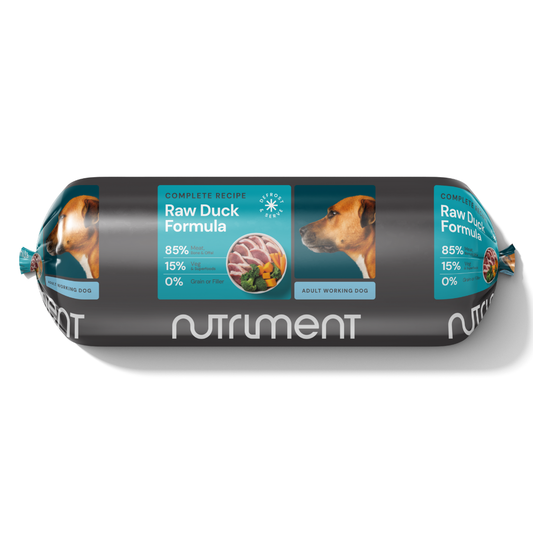
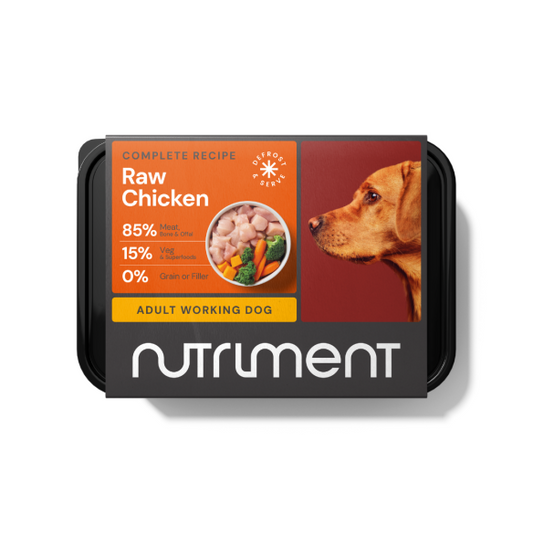
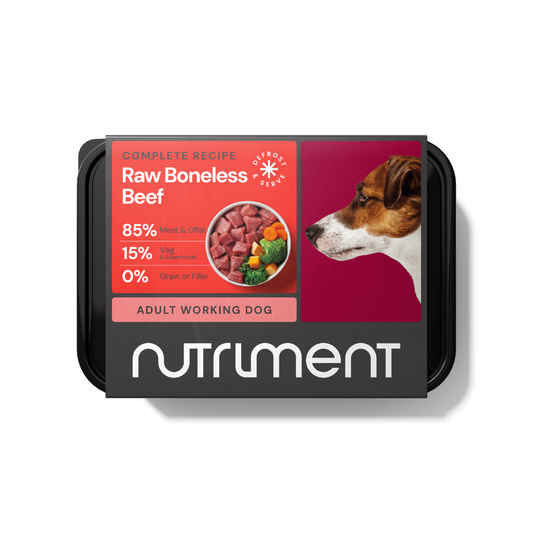
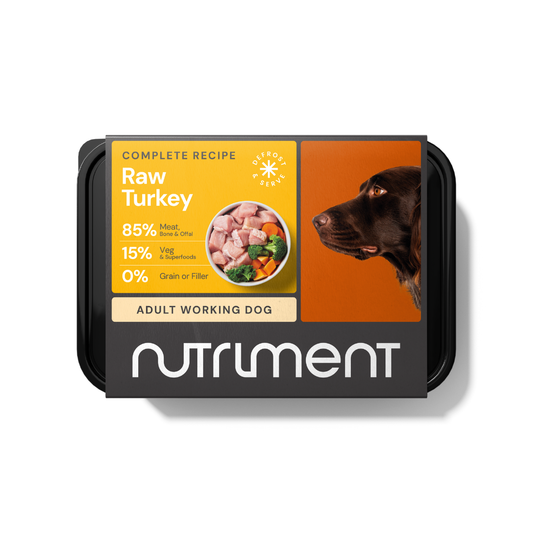
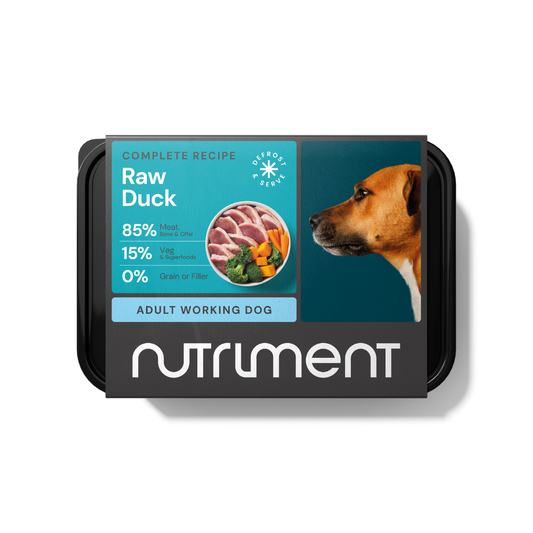
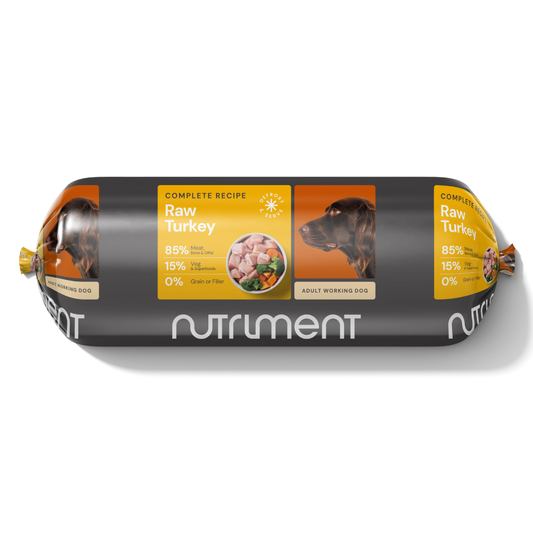
What raw feeding does, practically, is remove a significant part of that inflammatory load, meaning less risk of seasonal overreaction. Nutriment's complete raw range is built around fresh, ethically sourced meat with naturally balanced fats — the kind of diet the immune system isn't constantly working against. For dogs already showing sensitivity, Nutriment's Sensitive Support is specifically formulated for digestive and immune sensitivities. And Natural Instinct's wide protein range is particularly useful for identifying and rotating around specific triggers.

Targeted Support

Beyond the base diet, a few specific additions are worth considering for allergy-prone dogs.

Omega-3 fatty acids — specifically EPA and DHA from marine sources — are effective at reducing inflammation, and most dogs on processed diets are significantly deficient in them. AniForte's Salmon Oil is a clean, single-ingredient option that mixes easily into any meal.

For broader support across gut health, immunity, and skin in one formula, AniForte's Canine Prime is the gold-standard in multi-ingredient dog supplements. And for dogs where the skin is the primary concern, their Coat & Skin range offers more targeted options.

On the practical side: wipe paws after every walk to remove pollen before it absorbs through the skin, bathe more frequently during peak season with a gentle shampoo, wash bedding regularly, and where possible avoid walks during peak pollen hours (typically early morning and early evening on warm, dry days). Keeping on top of flea prevention matters too — flea bites cause their own inflammatory response and can significantly amplify existing reactions.

When to See the Vet

Mild seasonal symptoms are common and manageable at home. Speak to your vet if symptoms are significantly affecting your dog's quality of life, if skin is broken or infected, if ear infections keep recurring, or if things aren't improving with dietary and lifestyle changes. Your vet can carry out allergy testing to identify specific triggers, and may discuss options like immunotherapy or Apoquel for more severe cases — though these work best when supported by strong foundations in diet and management, not instead of them.

FAQs: Seasonal Allergies in Dogs

How do I know if my dog has seasonal allergies or a food allergy? Seasonal allergies tend to appear or worsen in spring and summer and ease in autumn. Food allergies cause year-round symptoms. The two can overlap — dogs with food sensitivities often have a lower threshold for environmental triggers too.

Can puppies get seasonal allergies? Yes, though less commonly under one year. Atopic dermatitis typically develops between six months and three years, so early signs in a young dog's first or second spring are worth monitoring.

What's the best food for a dog with skin allergies? A complete raw diet built around a novel or limited protein — venison, duck, rabbit — with no grains or artificial additives, is the best dietary starting point. For treats, Nutriment Natural Treats’ Venison Strips are a single-ingredient treat option that keeps snacks aligned with an elimination approach.

My dog's allergies seem worse after walks in long grass. What should I do? Wipe paws and the belly after every walk, bathe more regularly during peak season, and avoid long grass on high-pollen days where possible. If symptoms are severe, speak to your vet about short-term interventions.

Are there supplements that help with seasonal allergies in dogs? Omega-3 fatty acids from marine sources have the strongest evidence base. AniForte's Salmon Oil is a practical daily addition. For wider systemic support, Canine Prime and the Coat & Skin range from AniForte cover gut health, immune function, and skin barrier support.