
Toxic Foods for Dogs: What to Watch Out for at Easter

Toxic Foods for Dogs: What to Watch Out for at Easter

Back to blog

Easter means chocolate, baking, and big family meals. But many of the foods we enjoy during the holiday are actually toxic foods for dogs. Curious dogs can easily grab dropped food, leftovers, or treats left within reach. 

Even small amounts of certain ingredients can cause serious problems. Chocolate, raisins, and foods cooked with onion or garlic are all common risks during Easter celebrations. 

The good news is that with a little awareness, you can keep your dog safe. In this guide, we’ll cover the main toxic foods for dogs to avoid at Easter, share some dog friendly vegetables that are safe to offer instead, and explain what to do if your dog eats something they shouldn’t. 

Easter brunch spread with waffles, bread rolls, bundt cake, quiche, salad, and decorated Easter eggs.

Why Easter Can Be Risky for Dogs

Holidays often mean busy kitchens, full tables, and lots of food around the house. This makes it easier for dogs to access things they shouldn’t eat. 

Many dogs are also offered food by guests who may not realise some ingredients are dangerous. 

Common Easter Situations That Lead to Accidents

  • Food left within reach: Plates or snacks placed on low tables can be easy for dogs to grab. 
  • Guests feeding dogs: Visitors may share food without knowing the risks. 
  • Chocolate treats around the house: Easter eggs and sweets are often left out where dogs can find them. 
  • Leftovers from Easter dinner food: Rich sauces, seasoned vegetables, and baked goods can all contain unsafe ingredients. 

Toxic Foods for Dogs to Avoid at Easter 

Some popular Easter treats are also commontoxic foods for dogs.

A chocolate bunny with colorful candy pieces and chocolate eggs on a gray surface.

Chocolate and Cocoa Products

Chocolate contains theobromine, which dogs cannot process well. Easter eggs and chocolate desserts can cause vomiting, tremors, and other serious symptoms.

Close-up of roasted garlic bulbs with herbs and seasoning on a wooden surface.

Onions, Garlic and Leeks

These ingredients are often found in Easter dinner food like stuffing, sauces, and roasted vegetables. They can damage a dog’s red blood cells.

A plate of golden-brown hot cross buns with raisins, marked with a white cross on top.

Raisins and Grapes

Raisins are often used in Easter baking, especially hot cross buns. Even small amounts can cause kidney problems in dogs.

A hand brushes glaze onto a ham resting on aluminum foil, with a bowl of glaze and a pepper shaker nearby.

Alcohol and Rich Desserts

Alcohol and very fatty foods can upset your dog’s stomach and lead to more serious health issues.

Two people preparing to bake with bowls of ingredients, eggs, and utensils arranged on a wooden table.

Xylitol and Artificial Sweeteners

Xylitol is used in some sugar-free sweets and baked goods. It can cause a dangerous drop in blood sugar in dogs.
Dog Friendly Vegetables Your Dog Can Enjoy 

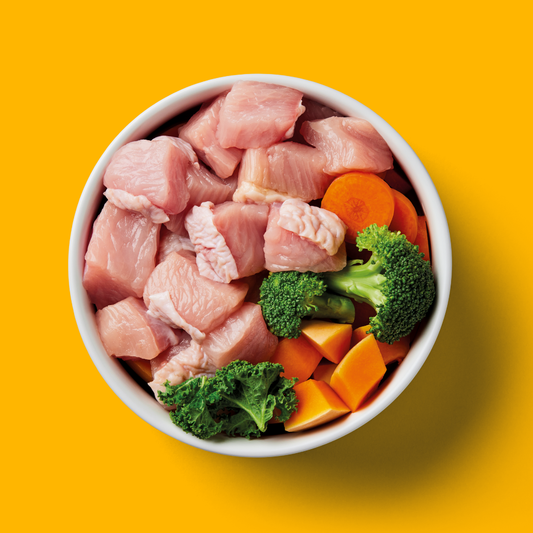
Not all human foods are off limits. Some dog friendly vegetables can make healthy snacks when served plain.

Carrots 

Crunchy and naturally sweet, carrots are a popular low-calorie treat. 

Green Beans 

High in fibre and easy to prepare, green beans are another safe option. 

Sweet Potato 

Cooked sweet potato is rich in nutrients and fibre when served without seasoning. 

Signs Your Dog May Have Eaten Something Toxic

If your dog eats something harmful, symptoms may appear quickly or take several hours. 

Digestive Symptoms 

  • Vomiting 
  • Diarrhoea 
  • Drooling 
  • Loss of appetite 

Behaviour Changes 

  • Restlessness 
  • Lethargy 
  • Tremors or shaking 

If you notice these signs and think your dog may have eaten something dangerous, contact your vet straight away. 

What to Do If Your Dog Eats Something Toxic

If you suspect your dog has eaten a toxic food, act quickly. 

Stay calm and check what was eaten: Try to identify the food and how much your dog consumed. 

Contact your vet immediately: Your vet can advise on the next steps. 

Avoid home remedies: Do not try to make your dog vomit unless a vet tells you to. 

Keep packaging if possible: This helps the vet identify ingredients quickly. 

Simple Ways to Keep Dogs Safe During Easter 

A few simple steps can prevent most problems. 

Keep chocolate and sweets out of reach: Store Easter treats safely. 

Ask guests not to feed your dog: A quick reminder can prevent accidents. 

Clear leftovers quickly: Don’t leave plates or food unattended. 

Offer dog-safe treats instead: Providing your dog with their own nutritious meal or snack keeps them included without risk.

A Safe and Happy Easter for Your Dog 

Understanding toxic foods for dogs helps you prevent accidents during busy holidays like Easter. By keeping risky foods out of reach and offering safer alternatives like dog friendly vegetables, you can protect your dog while still enjoying the celebrations. 

With a little planning, Easter can be safe and enjoyable for everyone — including your four-legged family members. 🐾