
Your Puppy’s First Trip: A Simple Step-by-Step Guide

Your Puppy’s First Trip: A Simple Step-by-Step Guide

Back to blog

There’s nothing quite like taking your puppy on their very first adventure.

Whether you’re heading to the countryside for the weekend, visiting family, or planning a dog-friendly staycation, those early trips help build confidence, strengthen your bond, and introduce your puppy to the world around them.

But travel can also be a big adjustment for young dogs.

New smells, unfamiliar places, changing routines, and long car journeys can sometimes leave puppies feeling unsettled — especially if their digestion is sensitive.

That’s why preparation matters. And one of the most overlooked parts of travelling with a puppy? Their food.

Here’s how to make your puppy’s first trip calmer, healthier, and far more enjoyable — with practical travel tips and natural nutrition support every step of the way.

1. Start with Short Practice Journeys

Before planning a long drive, help your puppy build confidence with shorter journeys first.

Start with:

  • 5–10 minute car trips
  • Calm local outings
  • Positive destinations like parks or quiet walks
  • Gentle praise and reassurance afterwards

Many puppies initially associate the car with vet visits, so creating positive travel experiences early can make a huge difference long term.

Bringing familiar items like their blanket or bed also helps them feel secure in unfamiliar environments.

2. Feed Smart Before You Travel

One of the biggest causes of puppy travel discomfort is feeding too much — or feeding unsuitable food — before a journey.

Heavy, highly processed meals can sometimes contribute to:

  • Upset stomachs
  • Travel sickness
  • Loose stools
  • Bloating
  • Energy crashes

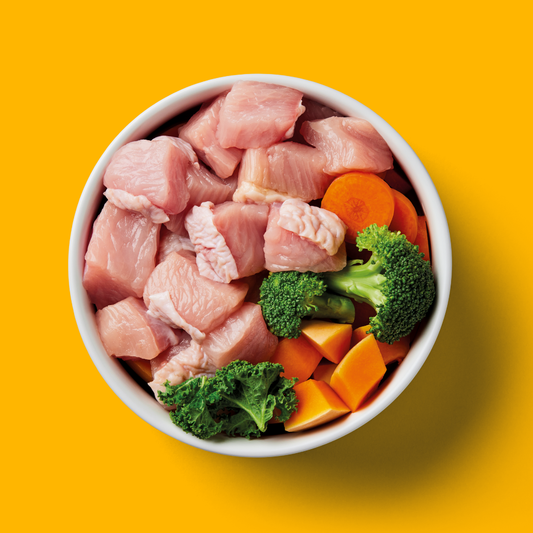
Instead, many experienced dog owners choose natural, high-meat nutrition that’s easier to digest and more aligned with a puppy’s biological needs.

Why Natural Food Matters During Travel

When puppies are stressed or overstimulated, digestion can become more sensitive. Feeding high-quality natural food with simple ingredients can help support:

  • Gentle digestion
  • More stable energy levels
  • Better stool consistency
  • Reduced digestive discomfort during travel

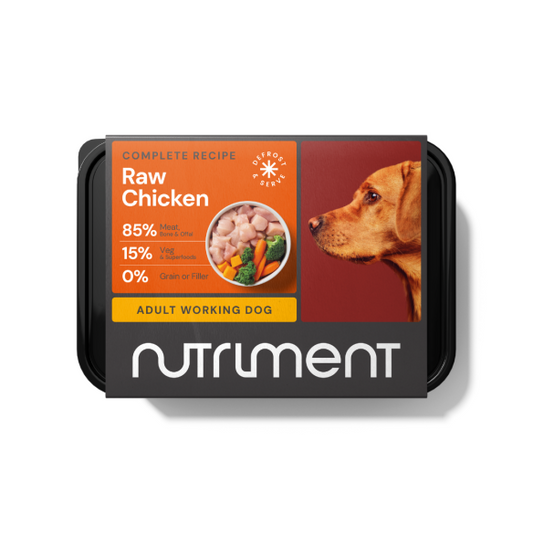
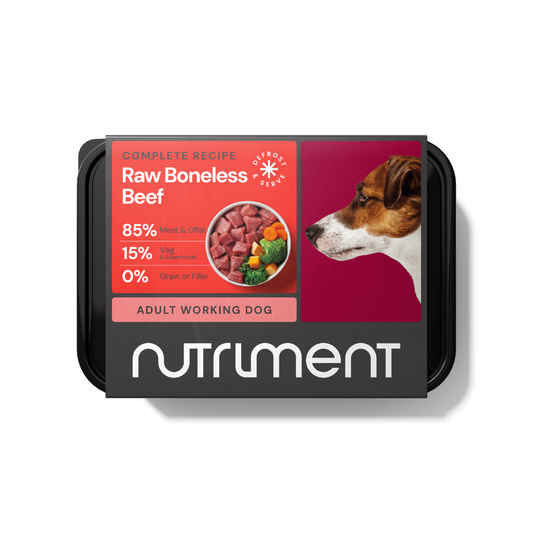
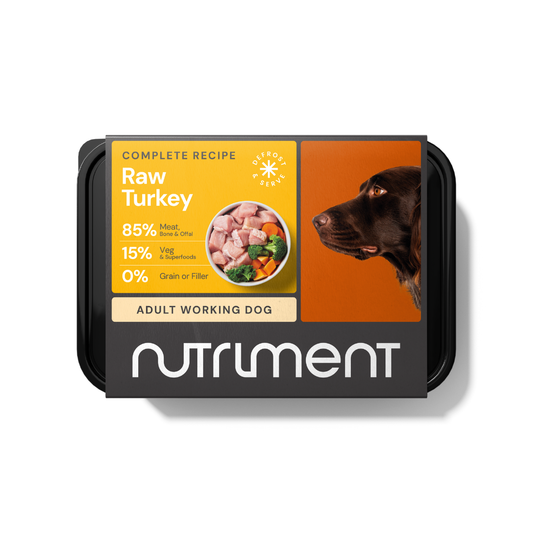
That’s one reason many UK puppy owners choose Nutriment food for growing dogs.

Nutriment recipes are carefully formulated with high-quality meat, biologically appropriate ingredients, and natural nutrients designed to support healthy development — without artificial preservatives or unnecessary fillers.

For travel days, consistency is key. Keeping your puppy on the same trusted food they already digest well can help reduce stress and avoid sudden stomach upsets while away from home.

3. Avoid Feeding Immediately Before the Journey

Even with high-quality food, timing matters.

For smoother travel:

  • Feed a smaller meal around 2–3 hours before departure
  • Avoid large meals immediately before setting off
  • Offer water regularly throughout the journey

If your puppy is already thriving on a natural feeding routine, sticking to that familiar schedule can help them feel more settled and comfortable during the trip.

4. Pack Your Puppy’s Food Properly

Changing food suddenly while travelling is one of the fastest ways to upset a puppy’s digestion.

Always bring:

  • Enough food for the full trip
  • Extra portions in case of delays
  • Your puppy’s normal feeding bowl
  • Fresh water
  • A cool bag if transporting frozen raw meals

If you feed raw, planning ahead is especially important. Portable cool storage and pre-portioned meals make feeding much easier while travelling.

Many Nutriment customers find pre-portioned raw meals particularly convenient for holidays and weekends away because they simplify feeding routines without compromising on nutrition.

5. Make the Car Feel Calm and Safe

Your puppy should always travel safely and securely.

Use:

  • A secured crate
  • Dog seat belt harness
  • Boot guard for larger breeds

To help your puppy relax:

  • Keep the car cool and well ventilated
  • Avoid loud music
  • Drive smoothly where possible
  • Speak calmly and reassuringly

Puppies naturally mirror our emotional energy. The calmer you are, the calmer they’re likely to feel too.

6. Schedule Plenty of Breaks

Puppies need regular opportunities to:

  • Stretch their legs
  • Go to the toilet
  • Drink water
  • Decompress mentally

As a guide:

  • Stop every 1–2 hours
  • Keep breaks calm and unhurried
  • Allow gentle sniffing and exploration

Sniffing is incredibly enriching for puppies and helps reduce overstimulation during travel.

7. Keep Their Routine as Consistent as Possible

Puppies thrive on routine — especially in unfamiliar situations.

Try to maintain:

  • Regular feeding times
  • Familiar food
  • Consistent sleeping arrangements
  • Usual walking schedule

Keeping nutrition consistent is particularly important. Sudden dietary changes combined with travel stress can easily upset sensitive puppy stomachs.

That’s why many owners prefer to continue feeding the same natural food their puppy already knows and digests comfortably at home.

8. Watch for Signs Your Puppy Needs a Break

Every puppy adapts differently to travel.

Signs of stress or discomfort can include:

  • Excessive panting
  • Drooling
  • Restlessness
  • Whining
  • Refusing food
  • Yawning repeatedly

If your puppy seems overwhelmed, pause, reassure them, and give them time to settle.

Building positive travel experiences gradually helps create a calmer, more confident adult dog later on.

9. Choose Healthy Travel Treats

Not all treats are ideal for travelling puppies.

Highly processed treats with artificial additives can sometimes upset digestion or cause energy spikes during long journeys.

Instead, look for:

  • Natural ingredients
  • Single-protein treats
  • Easily digestible options
  • High meat content
  • No artificial preservatives

Natural training treats or gentle chews can help reward calm behaviour without overwhelming your puppy’s stomach.

Many owners now prefer air-dried or natural meat treats because they’re simple, nutritious, and highly motivating for puppies during training and travel situations.

Why More Puppy Owners Are Choosing Natural Nutrition

Modern dog owners are becoming increasingly aware of the connection between nutrition, digestion, behaviour, and long-term health.

For puppies especially, feeding natural, high-quality food during key developmental stages can help support:

  • Healthy growth
  • Digestive health
  • Energy levels
  • Skin and coat condition
  • Overall wellbeing

That’s why biologically appropriate raw feeding continues to grow in popularity across the UK.

Nutriment focuses on carefully balanced raw recipes made with quality ingredients and nutritional expertise — helping owners feed confidently both at home and while travelling.

Final Thoughts

Your puppy’s first trip doesn’t need to be perfect.

The goal is simply to help them feel safe, comfortable, and supported while they experience something new.

With patience, preparation, and consistent natural nutrition, most puppies adapt surprisingly quickly to travelling life.

And when they’re fuelled with food that supports healthy digestion and steady energy, adventures together become much easier for everyone involved.

FAQs

How long can a puppy travel in a car?

Most puppies should have a break every 1–2 hours during car journeys to stretch, hydrate, and go to the toilet.

Should I feed my puppy before travelling?

Yes, but ideally 2–3 hours before setting off to help reduce travel sickness and digestive discomfort.

What food is best for travelling puppies?

Natural, easily digestible food with high-quality ingredients can help support digestion and steady energy during travel.

Can changing food upset my puppy while travelling?

Yes. Sudden food changes combined with travel stress can contribute to digestive upset, which is why consistency is important.