

Superfoods in Your Pet's Bowl:The Nutritional Science Behind Our Recipes
Quick Answer
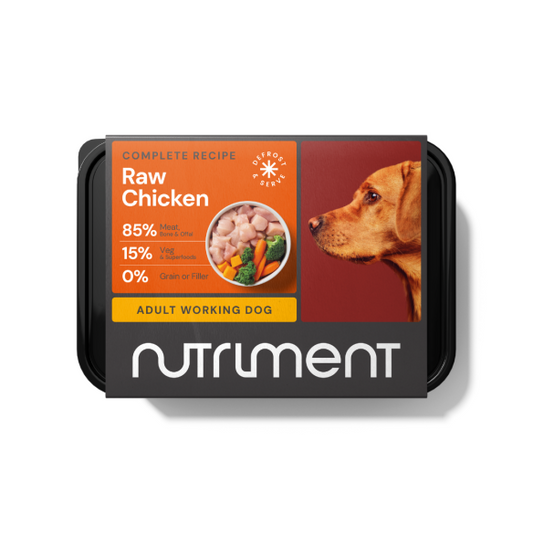
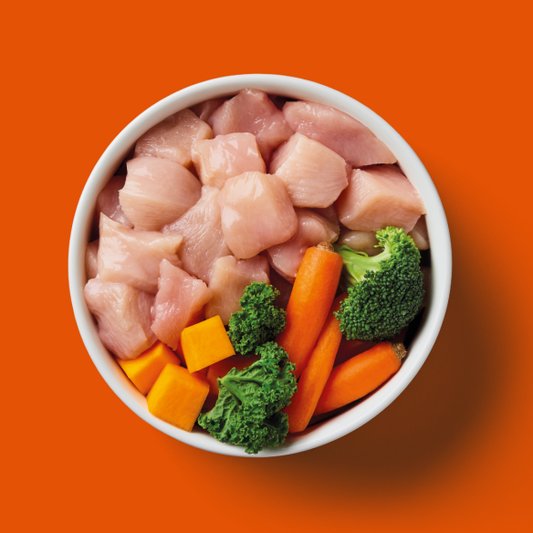
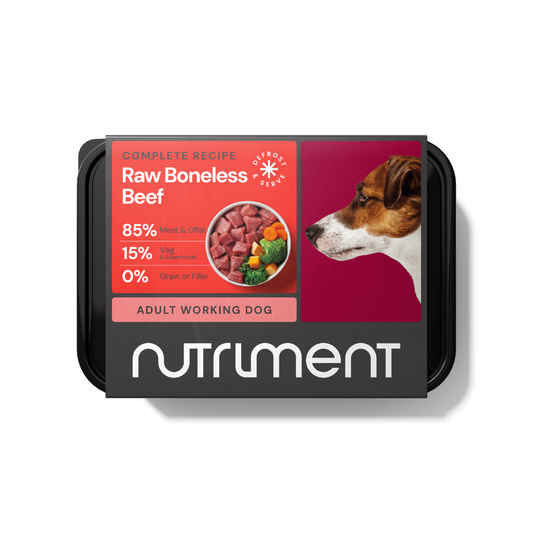
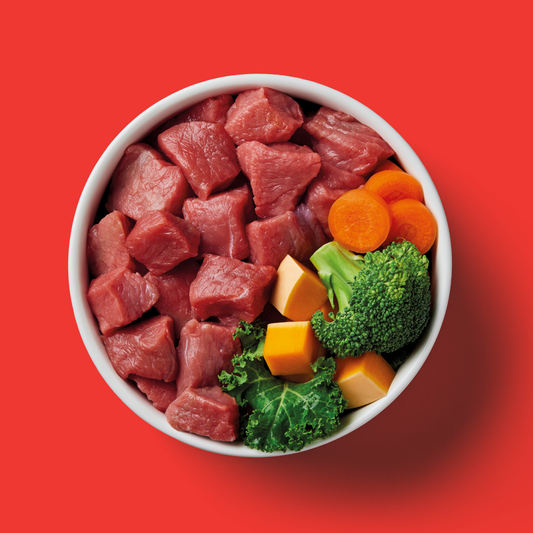
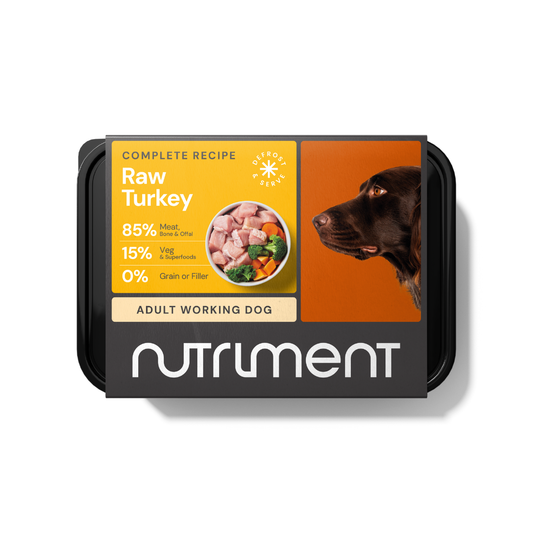
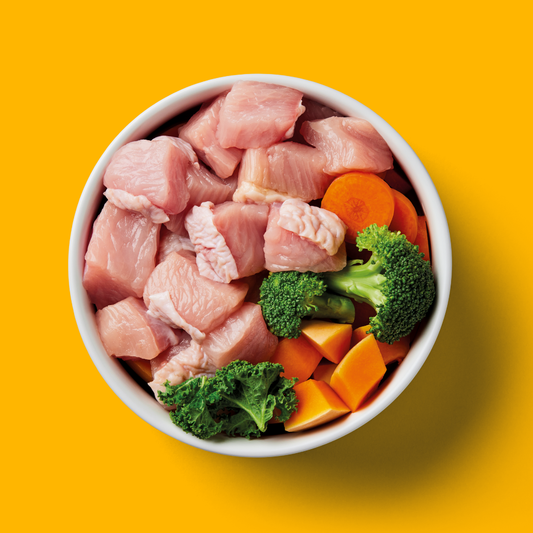
Nutriment's complete raw recipes contain a blend of scientifically supported ingredients, including pumpkin, broccoli, kale, and carrots. Their recipes have a unique superfood blend including spirulina, sea kelp, bilberry, flaxseed, sunflower seed, and salmon oil. Each recipe has been formulated with ingredients that have a nutritional purpose. Each recipe is grain-free with no fillers and no artificial additives.

What are superfoods for dogs, and why do they matter in raw feeding?
The main principle of raw feeding is prioritising high-quality, natural protein sources. But dogs need more than just protein to thrive. For it to be a complete diet, there needs to be a broad spectrum of micronutrients, antioxidants, essential fatty acids, and prebiotic fibre.
Rather than relying on synthetic vitamin and mineral premixes, our recipes champion whole-food from natural sources wherever possible. The superfoods across our recipes include:
- Broccoli
- Pumpkin
- Green Curly Kale
- Carrots
- Spirulina Powder
- Raw Sea Kelp Powder
- Bilberry Powder
- Whole Milled Flaxseed
- Whole Milled Sunflower Seeds
- Whole Milled Sesame Seeds
- Scottish Cold Water Salmon Oil
- Organic Virgin Coconut Oil
- Wheatgrass Juice Powder
- Chicory Root Powder

Pumpkin
Digestive support, immune function and natural fibre for dogs
Pumpkin is one of those ingredients that looks simple but is packed full of nutrients.
It is rich in soluble fibre, which absorbs water in the gut and helps regulate digestion. Pumpkin is often recommended by vets for dogs experiencing loose stools or constipation - it works in both directions, gently restoring gut function.
Beyond digestion, pumpkin is a good source of beta-carotene, the orange pigment that the body converts into vitamin A. Vitamin A supports the immune system, vision, and the health of skin and mucous membranes. Pumpkin also provides potassium, which is important for healthy heart function and muscle contraction, as well as zinc, which contributes to skin health.
Want to find out more about the Power of Pumpkin? Take a read of this blog!

Broccoli
The antioxidant and anti-inflammatory vegetable earning its place in the bowl
Broccoli is one of the most nutritionally dense vegetables you can include in a dog's diet. Broccoli contains a compound called sulforaphane. It forms when the vegetable is broken down, and it has been studied extensively for its antioxidant and anti-inflammatory properties. You can read more about the importance of sulforaphane in our broccoli blog.
Broccoli is also a solid source of vitamin C, which supports immune function and collagen production, vitamin K for blood clotting and bone health, calcium, and folate. Broccoli is naturally very nutrient dense and it's hard to replicate it's benefits with synthetic supplements.

Kale and Carrots
Everyday vegetables with serious nutritional credentials
Kale is one of the most nutrient-dense leafy greens available. It is rich in vitamins A, C, and K, as well as calcium, manganese, and antioxidant compounds which support cardiovascular health.
Carrots are high in natural beta-carotene alongside dietary fibre, biotin, and vitamins B6 and K1. They are one of the most naturally palatable vegetables for dogs and contribute a gentle sweetness which means clean bowls every mealtime. The fibre in carrots is also prebiotic in nature, providing fuel for beneficial gut bacteria.
Spirulina: the superfood science says supports immune health and gut stability in dogs
Spirulina is a blue-green algae with an extraordinarily dense nutritional profile. It is a complete protein source, a rich supplier of B vitamins, iron, and magnesium, and one of the most concentrated natural sources of chlorophyll and antioxidants available in any food.
For dogs specifically, the most compelling evidence concerns what spirulina does for the immune system and the gut.
What the research says: Dogs fed a spirulina-supplemented diet showed significantly stronger immune responses, measured by their reaction to a rabies vaccination, and higher levels of fecal IgA (a key gut immune marker) compared to dogs not on a supplemented diet. Gut microbiota was also more stable in the spirulina group, even following periods of physical stress. The researchers concluded that spirulina-fed dogs had a healthier and more robust immune system overall. Read the study
Spirulina can help keep a dog's immune defences primed and their gut environment more resilient. Given how central gut health is to digestion, immunity, and overall wellbeing, this ingredient is key to creating a balanced and complete diet.
Flaxseed and Sunflower seed: the Omega duo behind healthy skin and shiny coat
Flaxseed is one of the richest plant-based sources of alpha-linolenic acid (ALA), an omega-3 fatty acid that dogs cannot produce themselves and must obtain through diet. Sunflower seeds provide linoleic acid, the primary omega-6 fatty acid. Together, they help maintain the skin's lipid barrier and reduce low-level inflammation that shows up as flaky skin or a lacklustre coat.
What the research says: Supplementing a dog's diet with both seed types produced measurable improvements in skin and hair coat quality scores, alongside measurable shifts in blood fatty acid levels, confirming that these seeds meaningfully alter the fatty acid profile available to the dog's tissues. Read the study
Including both seeds whole-milled rather than as extracted oil also preserves the lignans, fibre, and fat-soluble vitamins present in the whole seed.
Our recipes also include whole milled sesame seeds, which contribute calcium, zinc, and additional omega-6 fatty acids, as well as wheat germ oil, a natural source of vitamin E that acts as a fat-soluble antioxidant and helps maintain the stability of the oils in the recipe.
Bilberry Powder: a potent antioxidant ingredient dogs actually enjoy
Bilberry is a wild European relative of the blueberry, with an equal or higher concentration of anthocyanins which help neutralise free radicals, the unstable molecules that, left unchecked, cause cumulative damage to cells and tissues over time.
For dogs, this translates to support for healthy ageing, eye health, cardiovascular function, and reduced systemic inflammation. As with many antioxidant-rich ingredients, the benefits build over time with consistent inclusion in the diet rather than appearing overnight.
What the research says: When offered a choice between diets containing various natural antioxidant ingredients, dogs showed a clear preference for the blueberry diet over alternatives including powdered algae and clove. The research also confirmed that adding blueberries did not negatively affect the digestibility of other nutrients in the diet. Read the study
Salmon Oil: the Omega-3 source for joints, skin, brain and heart health
Chicory Root and Wheatgrass: supporting digestion from the inside out

How Nutriment's complete raw recipes bring these superfoods together
The ingredients described above are not scattered through our recipes in trace quantities for marketing purposes. They are consistent, integral components of every Nutriment complete raw recipe, sitting alongside at least 80% human-grade meat, bone, and offal.
Each recipe varies by protein source, but the superfood framework remains constant. Every dog fed on Nutriment receives the same quality of nutritional support regardless of which protein suits them best.
For dogs with specific needs, our range includes recipes tailored by life stage:
- Puppy Recipes — enhanced DHA from salmon oil to support brain and eye development, plus Ginkgo Biloba powder for cognitive health.
- Senior Recipes — the same superfood base, carefully formulated to meet the changing nutritional needs of older dogs.
All recipes are formulated by our in-house canine nutritionists and made by hand at our production facility in Overton, Hampshire.
